Urologic Oncology · Prostate Cancer

Expert prostate cancer care, from diagnosis to recovery

From PSA testing and multiparametric MRI to MR fusion biopsy, robotic and laparoscopic radical prostatectomy, radiotherapy and focal treatments, Assoc. Prof. Tuncay Taş delivers complete prostate cancer care in Istanbul, with early diagnosis, honest advice and transparent, all inclusive pricing.

Medically reviewed by Assoc. Prof. Dr. Tuncay Taş
98% Survival in low risk disease
90–95% 10 year survival after surgery
60+ Countries served
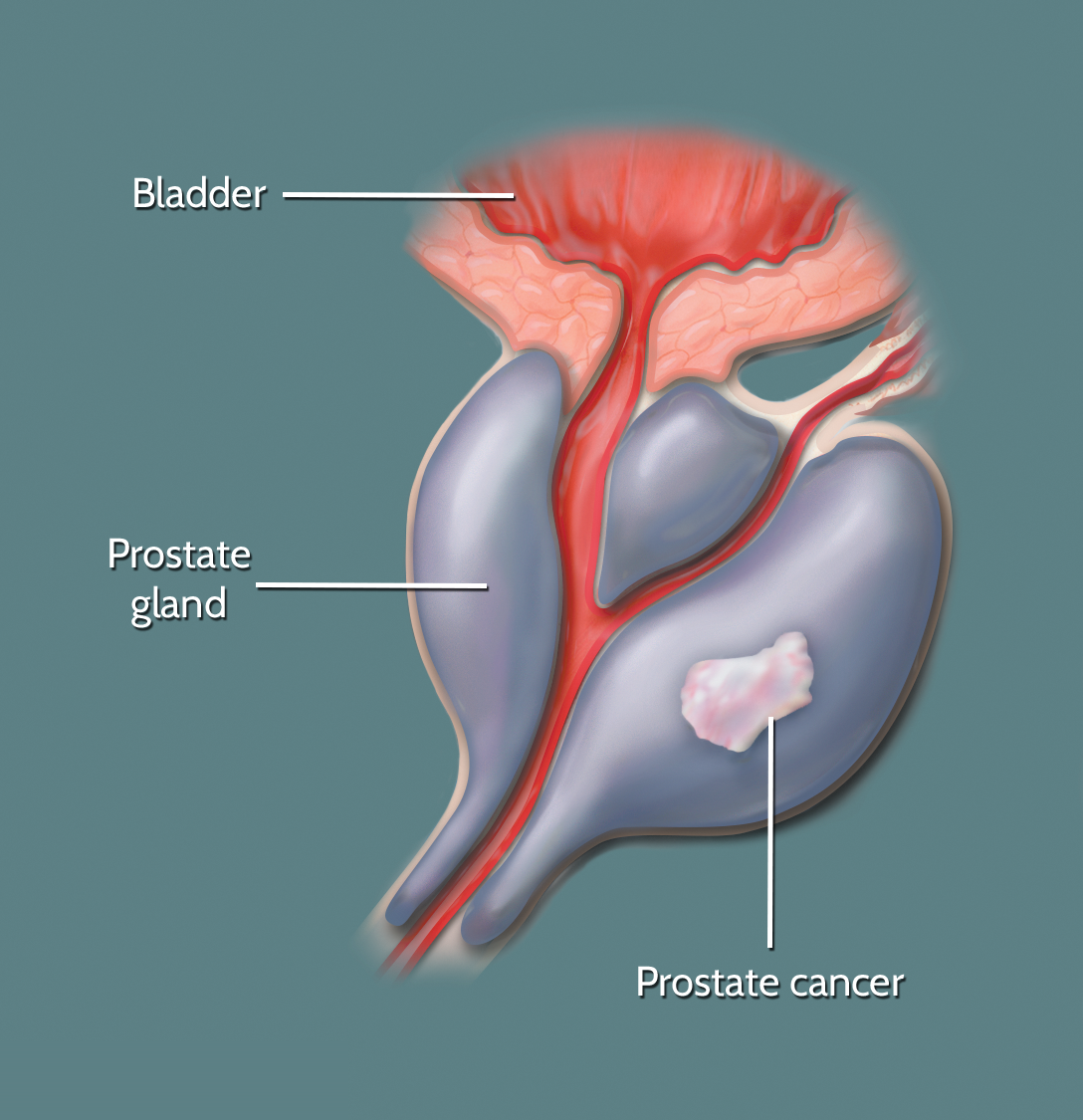
Medical illustration of the prostate gland and bladder showing the location of a prostate cancer tumour
4.9 ★★★★★ Google Reviews
4.9 ★★★★★ Trustpilot
A clear, reassuring starting point

What is prostate cancer?

Prostate cancer is the second most common cancer in men, and a man’s lifetime probability of developing it is around 15 to 20 percent. Despite how common it is, the death rate from prostate cancer is comparatively low. That is explained by the rise in effective diagnostic tests and by the very good results of modern treatment when the disease is caught early.

Cancer related life expectancy in low risk prostate cancer is around 98 percent. This single figure captures why early diagnosis and timely treatment matter so much. The purpose of this page is to explain, in plain language, how prostate cancer is found, staged and treated, and why so many international patients choose Istanbul for their care.

Understanding the causes

What raises the risk of prostate cancer?

Some risks cannot be changed, such as age and family history, while others relate to lifestyle and environment. Knowing them helps you decide when to start screening.

Main risk factors

  • Age. The single most important factor. Risk rises year by year, and autopsy studies find cancer in almost all prostates over the age of 90, even without symptoms.
  • Ethnicity. Rates differ between populations. For example, prostate cancer is less common in Japanese men than in Western societies.
  • Genetics and family history. A father or brother with prostate cancer markedly increases your own risk, as shown below.

Lifestyle and environment

  • Cadmium exposure. Cadmium is a proven risk factor and is used in battery manufacturing, so workers in that industry may be exposed.
  • Smoking. Cigarettes contain cadmium, which makes smoking a risk factor for prostate cancer.
  • Excessive alcohol. Heavy alcohol intake raises the risk of prostate cancer and of cancer related death.
Family history Increase in riskvs the general population
Father with prostate cancer 1.8× higher
Father and one sibling affected 5.5× higher
Two brothers affected 7.7× higher
Lowering your risk

What can you do to prevent prostate cancer?

Much of the popular advice about supplements has not held up in careful studies. The measures that genuinely help are simpler than you might expect.

What the evidence does not support

  • Vitamin E, vitamin D, selenium and omega 3 supplements do not meaningfully prevent prostate cancer
  • Lycopene from tomatoes, once popular, was not useful in recent randomized controlled trials
  • Dutasteride, used for benign prostate enlargement, is not recommended for prevention
  • Metformin, used for diabetes, has not been shown to protect against prostate cancer

What genuinely helps

  • Avoid smoking, a known and modifiable risk factor
  • Limit alcohol, since heavy intake raises risk
  • Attend regular, timely urology check ups for early diagnosis
  • Know your PSA, because survival in early disease approaches 100 percent

When to start screening

Because survival in early, low stage prostate cancer is close to 100 percent, timely screening is the most valuable step you can take. Men with a father or brother affected should have their first check at age 45. Men with no family history should begin at age 50.

What to look out for

Symptoms of prostate cancer

Early prostate cancer often causes no symptoms at all, which is exactly why screening matters. When symptoms do appear, they can overlap with benign conditions.

Burning or discomfort during urination

Difficulty passing urine or a weak stream

Blood in the urine

Blood in the semen

Needing to urinate more often, especially at night

Fatigue, weight loss or widespread aches in advanced disease

These symptoms are not proof of cancer

Burning, frequency and a weak stream are also caused by benign prostate enlargement and other bladder conditions. Only a urologist’s tests and examination can tell these apart, which is why timely assessment is so important rather than waiting and worrying.

How prostate cancer is diagnosed

Your diagnostic pathway, step by step

Diagnosis is built up from several complementary tests, so that treatment is based on a complete and accurate picture rather than a single result.

  1. 01

    PSA blood test

    PSA is a prostate specific protein measured from a simple blood sample. It can rise with cancer, but also with benign enlargement and inflammation, so a raised value is a reason to investigate rather than a diagnosis. Cancer is even possible, though uncommon, with a normal PSA.

  2. 02

    Digital rectal examination

    Because the prostate lies just in front of the rectum, it can be felt in seconds through the back passage. The examination is essentially painless and adds valuable information, since some cancers are found this way even when PSA is normal.

  3. 03

    Advanced markers when needed

    For men flagged by PSA and examination, newer tests such as PCA3 and SelectMDX can add information. They are available in a limited number of laboratories and help refine the decision on whether a biopsy is needed.

  4. 04

    Multiparametric MRI

    A multiparametric prostate MRI gives detailed radiological information, both before biopsy and to locate any suspicious lesion. It is used to guide the biopsy and to improve accuracy.

  5. 05

    MR fusion biopsy

    When the probability of cancer is high, an MR fusion biopsy merges the MRI images with live ultrasound to sample the prostate precisely. The tissue is examined by a pathologist, and the final diagnosis is confirmed on those results.

  6. 06

    Staging

    If cancer is confirmed, scores and imaging predict how it is likely to behave. Where needed, MRI, CT, bone scintigraphy and PSMA PET CT check for spread to nearby tissues or distant organs, so the right treatment can be chosen.

There is no need to fear the examination

Worries about the prostate examination are almost always unfounded. It takes only seconds, causes no real pain, and is one of the most valuable tools for catching cancer early. Your doctor will never carry out a test you do not want, and diagnosis can still proceed with PSA and imaging.

A full range of treatments

Prostate cancer treatment options

The best method depends on the stage and grade of the cancer, your age and health, and your own priorities. Some patients need more than one approach, planned together for the best result.

Low risk disease

Active surveillance

For very low risk cancer, close monitoring with regular PSA tests, examinations and imaging can safely delay or avoid treatment, sparing side effects while keeping the disease under careful watch. Treatment begins only if the cancer shows signs of progressing.

Surgical mainstay

Radical prostatectomy

Complete surgical removal of the prostate, seminal vesicles and semen ducts, with lymph node removal when needed. Performed openly, laparoscopically or robotically, it offers excellent long term cancer control and forms the backbone of curative treatment.

No surgery

Radiotherapy

Focused radiation is one of the most preferred options for prostate confined cancer, with oncological results almost as good as surgery. Treatment takes around eight weeks, and hormone therapy is sometimes added depending on the stage.

Targeted

Focal treatments

For selected patients, focal therapies such as HIFU and brachytherapy treat the cancer while sparing surrounding tissue, which can reduce the impact on urinary control and sexual function.

Systemic control

Hormone therapy

Testosterone drives the growth of prostate cancer cells. Hormone suppression therapy lowers testosterone to slow the disease, and is used both alongside other treatments and in advanced stages.

Advanced disease

Chemotherapy

In metastatic prostate cancer, chemotherapy, alone or added to hormone therapy, has been shown to improve survival and quality of life, particularly where the spread is limited. Care is shared between urology and oncology.

A closer look

Radical prostatectomy in focus

Because it offers strong long term cancer control, radical prostatectomy is central to curative treatment. Here is what the surgery involves and what to expect.

What the surgery involves

  • The entire prostate, seminal vesicles and semen ducts are removed
  • Lymph nodes may be removed depending on the stage of the disease
  • The prostate sits next to the nerve and blood vessel bundle that controls erections and continence
  • Nerve sparing technique is used wherever the cancer allows

Results and recovery

  • Average 10 year survival after surgery is 90 to 95 percent
  • Erectile and urinary control can be affected, then improve over weeks to months
  • Pelvic floor rehabilitation supports the return of continence
  • Laparoscopic and robotic surgery mean a shorter hospital stay than open surgery
Surgical approach Incisions Hospital stay Cancer & functional resultsEAU 2020 guidance
Open One larger incision Longer Comparable
Laparoscopic Several small incisions Shorter Comparable
Robot assisted Several small incisions Shorter Comparable

The European Association of Urology guideline states that open, laparoscopic and robot assisted radical prostatectomy are not superior to one another for cancer control, continence or sexual function. Surgeon experience is the decisive factor.

Non surgical and systemic therapy

Radiotherapy, hormone therapy and chemotherapy

Beyond surgery, these treatments cure prostate confined disease, control advanced disease and protect quality of life. Often they are combined for the best outcome.

01

Radiotherapy

A leading choice for prostate confined cancer, with results close to surgery. It runs for around eight weeks, and the length of the course is its main drawback. Because the beam can affect nearby organs, temporary urinary or bowel irritation and bleeding can occur, and very rarely a second cancer. Hormone therapy is added in some stages to improve cure rates.

02

Hormone therapy

Testosterone fuels the growth of prostate cancer cells. Hormone suppression therapy lowers testosterone to slow or shrink the cancer. It is sometimes added to surgery or radiotherapy in earlier disease, and is used widely in advanced stages to control cancer that has spread.

03

Chemotherapy

In metastatic prostate cancer, chemotherapy, alone or with hormone therapy, improves survival and quality of life, especially where the spread is limited. Advanced disease is managed jointly by urology and oncology, and your urologist refers you to oncology at the right time.

Transparent pricing

Prostate cancer treatment cost in Turkey

These are guide prices with Assoc. Prof. Tuncay Taş in Istanbul, compared with typical costs in the United States, the United Kingdom and Europe. The same quality of care, at a fraction of the price. Your final quote is confirmed in writing after your consultation, with no hidden costs.

Treatment Dr. Tuncay Taş Istanbul, Turkey United States United Kingdom Europe
Laparoscopic / robotic radical prostatectomySurgery, incl. hospital stay $6,000 to $7,500 $20,000 to $40,000 £12,000 to £20,000 €14,000 to €22,000
Radiotherapy courseProstate confined disease $5,000 to $8,000 $18,000 to $50,000 £10,000 to £18,000 €12,000 to €20,000
Focal therapy (HIFU)Selected patients $6,000 to $9,000 $20,000 to $30,000 £12,000 to £18,000 €13,000 to €20,000
MR fusion biopsyDiagnosis $1,000 to $1,800 $3,000 to $6,000 £2,000 to £4,000 €2,500 to €4,500

Your quote covers the procedure, the surgeon fee, hospital and clinic care and your aftercare. For international patients, accommodation and airport transfers are arranged too. Prices are a guide and are confirmed in writing after your consultation.

North America

Why United States and Canada patients choose Turkey

For North American men, Istanbul combines experienced, high volume surgery with immediate scheduling and a total cost that is a fraction of care at home.

Major cost savings

Even with insurance, deductibles and out of pocket costs for prostate cancer surgery in the United States are high. In Istanbul the all inclusive price is far lower for the same standard of care, with no surprise billing.

No waiting for care

Canadian patients in particular can face long waits to see a specialist and to reach surgery. In Istanbul your assessment and treatment are scheduled within days, not months.

Experienced, high volume surgery

Care follows European Association of Urology standards, with laparoscopic and robotic radical prostatectomy performed by a specialist who operates regularly, which is the factor most linked to good outcomes.

Easy to reach, fully supported

Istanbul is a direct flight from many US and Canadian cities. An English speaking coordinator arranges your travel, hotel and transfers, and looks after you from first message to recovery at home.

United Kingdom & Europe

Why United Kingdom and Europe patients choose Turkey

For patients from the UK and across Europe, Istanbul offers prompt, consultant led treatment without long waiting lists, at a lower price than going private at home.

No long waiting lists

Where diagnosis and surgery through public systems such as the NHS can take many weeks or months, prostate cancer is a diagnosis where time matters. In Istanbul your pathway moves quickly from assessment to treatment.

Lower than going private

Private prostate cancer surgery in the UK and Western Europe is expensive. The all inclusive cost in Istanbul is considerably lower for equivalent, guideline based care.

European standard of care

Treatment takes place in accredited Istanbul hospitals and follows European Association of Urology guidelines, so the standards, techniques and materials match the best centres in Europe.

A short, well organised trip

Istanbul is only a few hours’ flight from most of Europe. Your stay, transfers and follow up are arranged for you, and video aftercare continues once you are home.

After prostate surgery

Your recovery, step by step

Recovery after radical prostatectomy is well supported and follows a predictable path. Exact timings depend on your surgery and general health.

Hospital stay

After laparoscopic or robotic surgery the hospital stay is short. You leave with a urinary catheter in place and clear instructions for its care.

Week 1 to 2

The catheter is usually removed within one to two weeks. Light daily activity resumes gently, while heavy lifting and strain are avoided.

Weeks to months

Urinary control improves steadily, helped by pelvic floor exercises. Erectile function recovers gradually where nerve sparing was possible, with support as needed.

Ongoing follow up

Regular PSA tests confirm that treatment has worked and watch for any change. Video follow up keeps you connected to your team once you are home.

For patients travelling to us

International patient services

Everything beyond the clinical care is handled for you, so your visit to Istanbul feels calm, private and well organised.

Free online consultation and case review before you travel

Help with flights and comfortable accommodation

Private airport and hospital transfers

Language support throughout your stay

A personal coordinator from start to finish

Video follow up and PSA monitoring once you are home

Good to know

Frequently asked questions

Is prostate cancer curable?

In its early, prostate confined stages, prostate cancer is highly treatable and often curable. Cancer related survival in low risk disease is around 98 percent, which is why timely diagnosis matters so much. Assoc. Prof. Tuncay Taş assesses your PSA, examination, imaging and biopsy results together, then recommends the treatment that offers the best cure with the fewest side effects for your situation.

What does a raised PSA mean? Do I have cancer?

Not necessarily. PSA is a prostate specific protein that can rise with cancer, but it also increases with benign prostate enlargement and prostate inflammation. Equally, a small number of men with cancer have a normal PSA. A raised PSA is a reason to investigate, not a diagnosis on its own, which is why it is combined with a digital examination, MRI and, when needed, a biopsy.

Is the prostate examination painful?

No. The digital rectal examination is done in seconds and is essentially painless. Many men avoid seeing a urologist because of worry about this examination, yet it is quick, private and very valuable for early diagnosis. Your doctor will never perform any test you do not consent to, and diagnosis can still proceed with PSA and imaging if you prefer.

At what age should I start prostate screening?

For men with no family history, screening from around age 50 is sensible. If your father or a brother has had prostate cancer, start earlier, from around age 45, because your risk is higher. A simple PSA blood test and examination form the basis of screening, and your urologist will advise how often to repeat them.

Which treatment is best for prostate cancer?

There is no single best treatment. The right choice depends on the stage and aggressiveness of the cancer, your age and general health, and your own priorities. Options include active surveillance for very low risk disease, radical prostatectomy, radiotherapy, focal therapies such as HIFU or brachytherapy, hormone therapy and chemotherapy. Some patients need a combination. Everything is explained clearly so you can decide with confidence.

Robotic, laparoscopic or open surgery, which is better?

According to the European Association of Urology, the three approaches give comparable results for cancer control, continence and sexual function when performed by an experienced surgeon. Laparoscopic and robot assisted surgery usually mean smaller incisions, less blood loss and a shorter hospital stay. The surgeon experience matters far more than the platform itself.

Will surgery affect my erections and urinary control?

Because the prostate sits next to the nerves and muscles that control erections and continence, these functions can be affected after radical prostatectomy. Nerve sparing technique, careful surgery and pelvic floor rehabilitation help most men recover control over the following weeks to months. Your surgeon will discuss your individual risk and the steps taken to protect these functions.

How much does prostate cancer treatment cost in Turkey?

Prostate cancer treatment in Turkey costs a fraction of the price in the United States, the United Kingdom or Western Europe for the same quality of care. As a guide, laparoscopic or robotic radical prostatectomy starts from around 6,000 to 7,500 US dollars. Your exact, all inclusive quote is confirmed in writing after your consultation, with no hidden costs.

How long will I need to stay in Istanbul?

For surgery, most international patients plan a stay of around seven to ten days. This covers your assessment, the operation and hospital stay, early recovery and catheter removal, and a final check before you fly home. For consultations, imaging or radiotherapy planning the timing differs, and your coordinator arranges a schedule that suits you.

Is radiotherapy as effective as surgery?

For prostate confined cancer, modern radiotherapy offers oncological results that are close to surgery. It avoids an operation but usually takes around eight weeks of treatment, and it carries its own possible side effects such as urinary and bowel irritation. Depending on the stage, hormone therapy may be added to improve results. Your team will help you weigh surgery against radiotherapy for your case.

What happens if the cancer has spread?

When prostate cancer has spread beyond the prostate, treatment focuses on controlling the disease and protecting quality of life. Hormone therapy suppresses the testosterone that fuels prostate cancer cells, and chemotherapy can add a survival benefit, especially in patients with limited spread. Advanced disease is managed jointly by urology and oncology, and you are guided through every step.

Why choose Assoc. Prof. Tuncay Taş for prostate cancer care?

You receive experienced, high volume surgical care in accredited Istanbul hospitals, honest advice about every option, and a dedicated international team that arranges your travel, stay and aftercare. Care follows European Association of Urology standards, and you are supported in your own language from your first message to your recovery at home.
WhatsApp