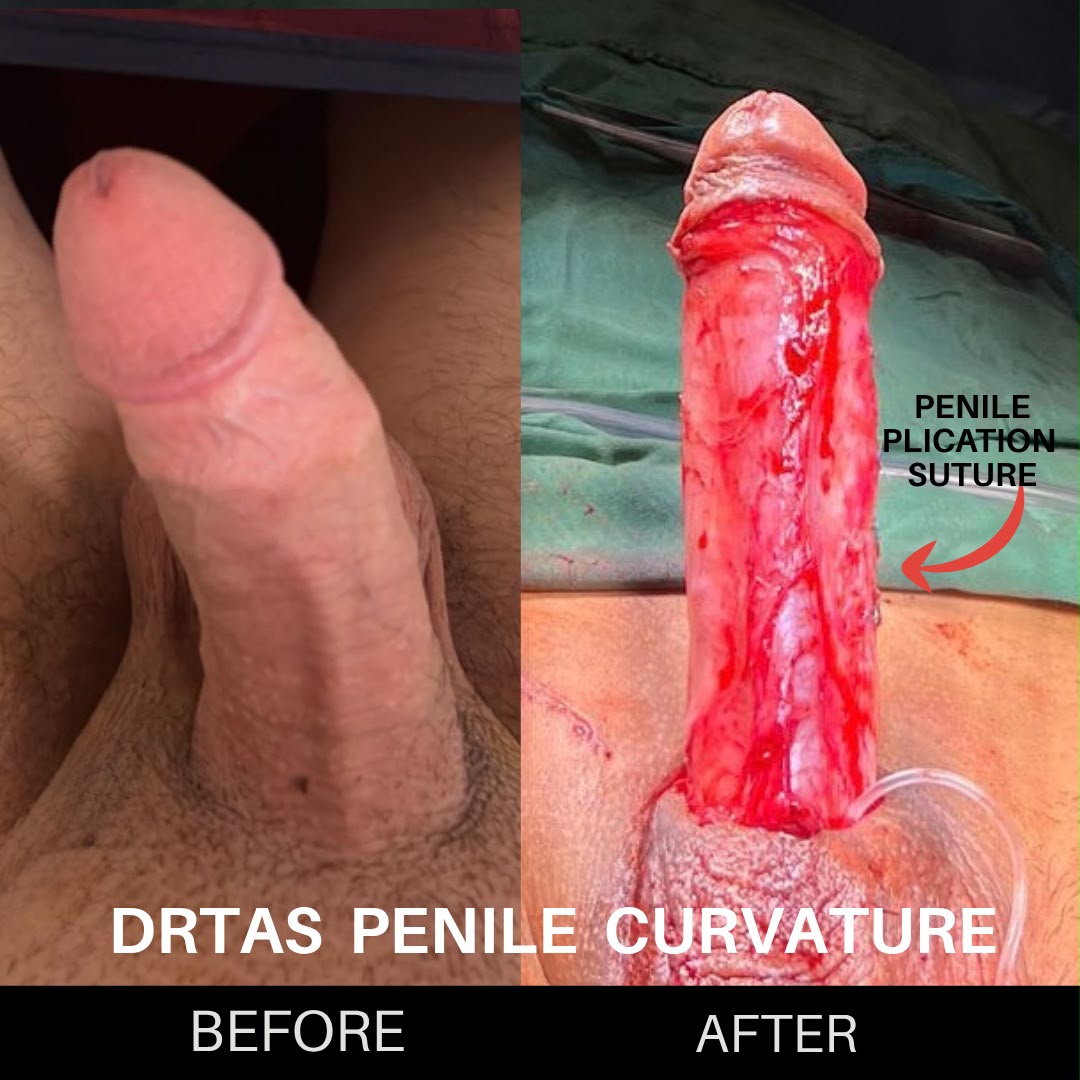
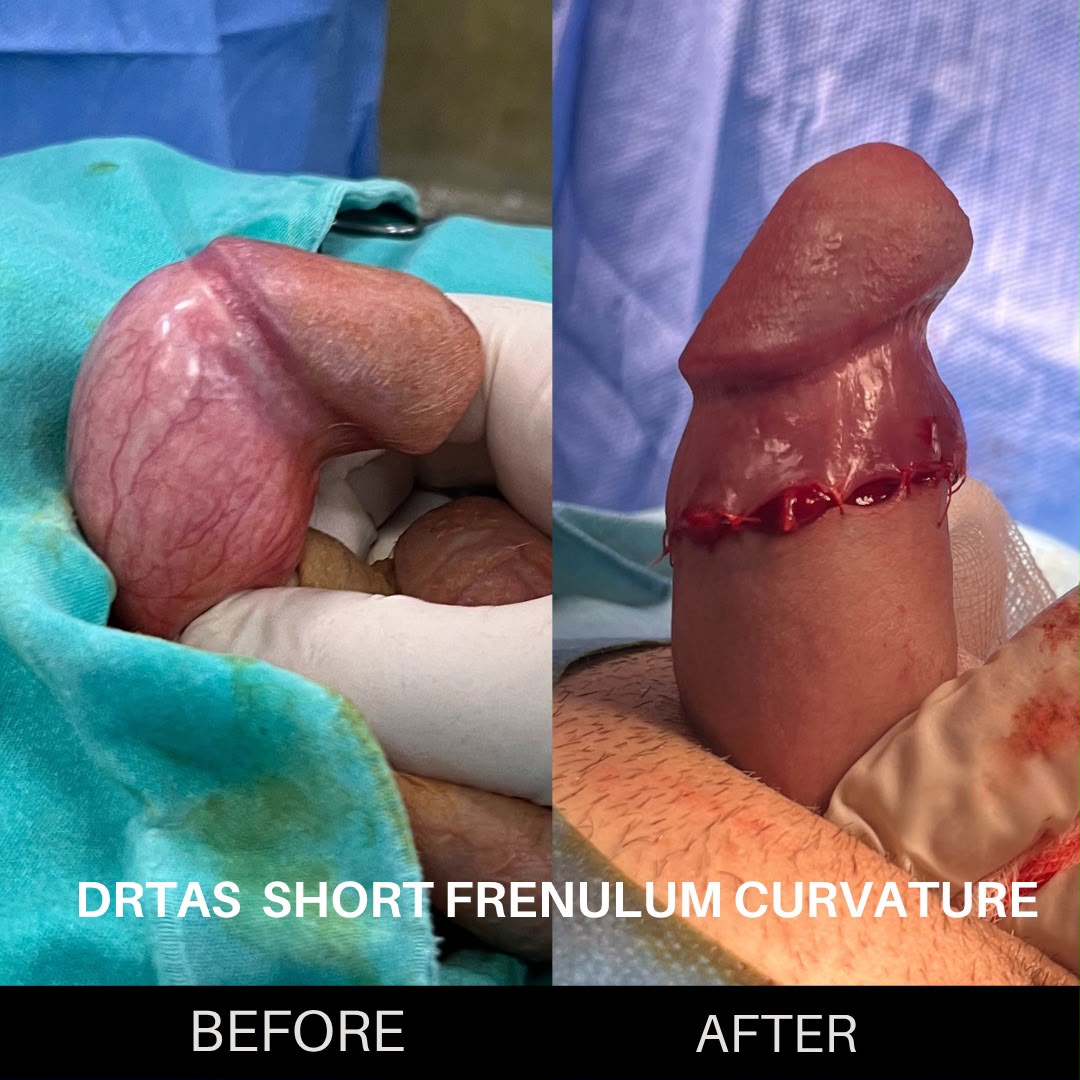
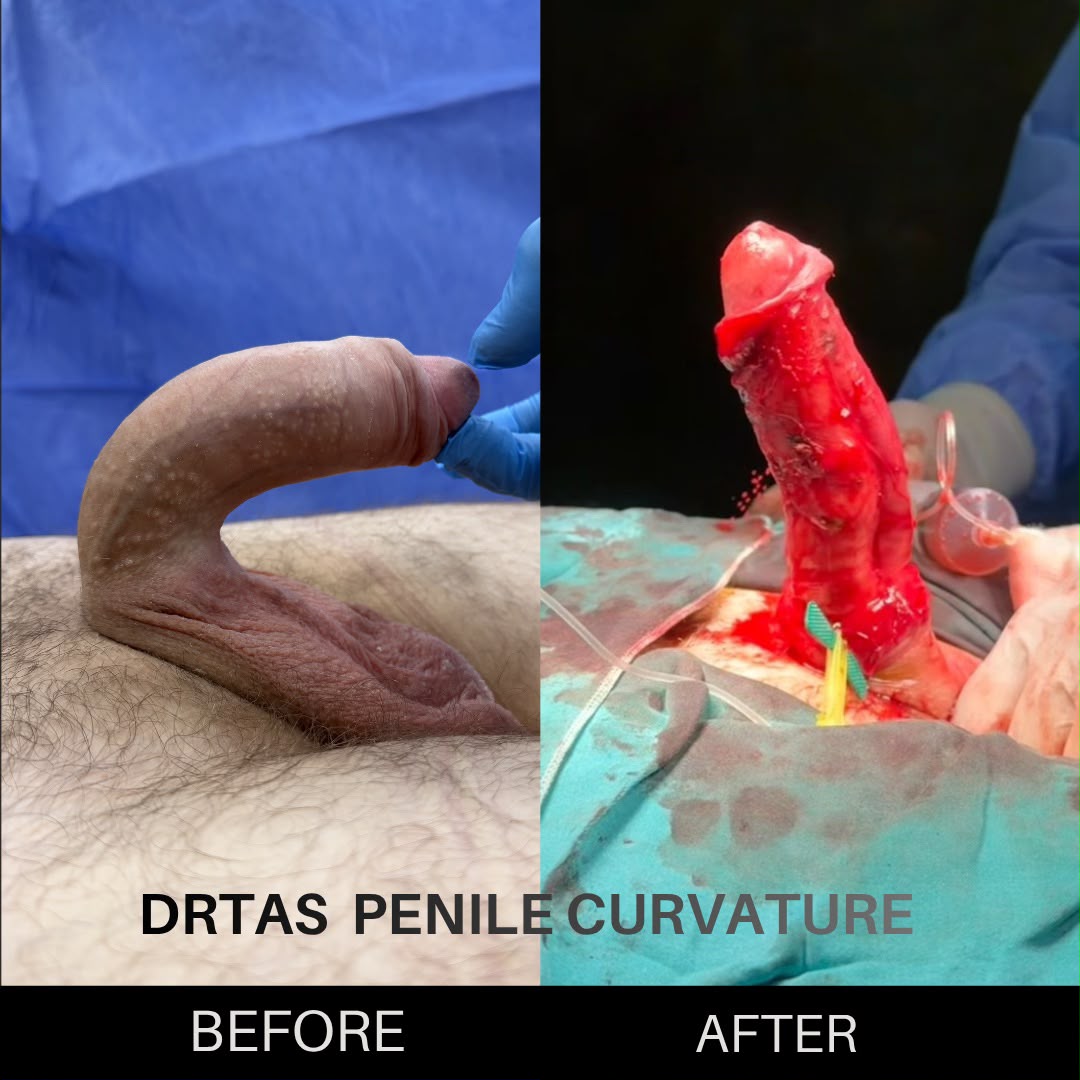
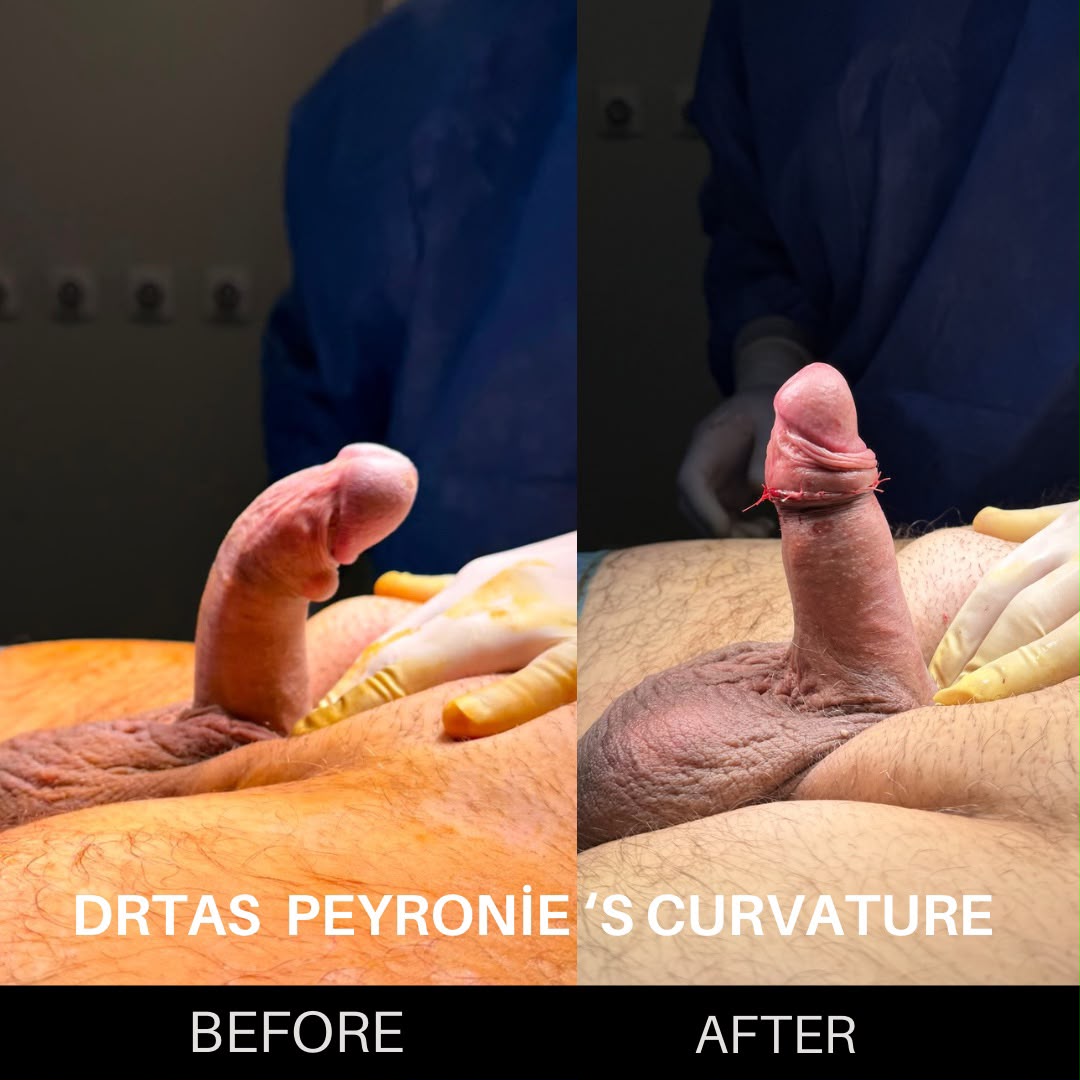
Penile curvature means the penis bends noticeably when erect. A small bend is normal and needs nothing at all. Treatment becomes relevant when the angle makes penetration difficult, causes pain to you or your partner, or affects you enough that you avoid intimacy. That threshold is about function and distress, not about degrees on a protractor.
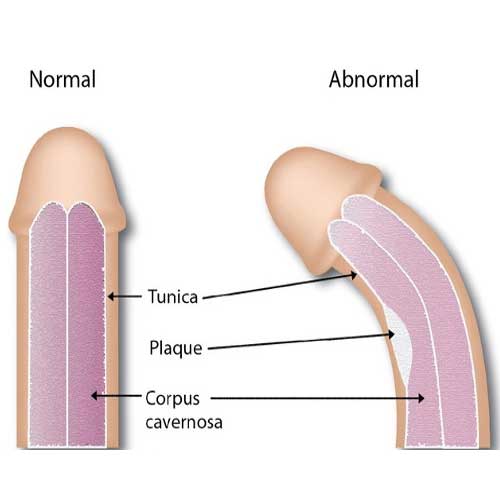
Almost every case belongs to one of two groups. Congenital curvature is present from puberty, the tissue is healthy, and it arises because one side of the tunica albuginea, the sheath around the erectile bodies, has grown longer than the other. The European Association of Urology reports an incidence below 1 per cent, although some studies have found rates of 4 to 10 per cent in men without hypospadias.
Peyronie disease is acquired. Scar tissue called plaque forms inside the tunica and pulls that side shorter, so the penis bends toward the plaque. Reported prevalence ranges widely, from 0.1 to 20.3 per cent, and the incidence in men over eighteen is 19.6 to 23 cases per 100,000 each year. Onset is typically between 50 and 60 years, though in men under 40 the reported prevalence still reaches 1.5 to 16.9 per cent.
The distinction matters because it changes the timing of any operation, as the next section explains.